
Description: The olive trees are elongated, narrow, gray-green, leather-like leaves. The flowers are small, yellow, fragrant in clustered inflorescence. The fruit is a drupe like plum, initially green, ripe black. Old trees have churned, Kornate trunks and gnarled branches. LOCATION: all year round on a light box. Temperature 7 - 12 ° C, can withstand 22oC, but then it is necessary significant drop in night temperature. Dry air do not mind. It thrives in full sun outdoor summer. Watering: let the substrate dry out slightly, then pour profusely. FERTILISING: from spring to autumn, after 14 days, in winter after 4 weeks. Repotting: every spring, zakrátíme roots require nutritional permeable soil. LAND: Substrate for bonsai AGRO CS, or compost, peat, sand in the ratio 2: 1: 1. CUTTING: still on two pairs of leaves, a good image of the old wood, so tolerates rough cut. SHAPING: Wired is still possible after zdřevnatění.

An olive tree requires as much direct sunlight as possible and moderate watering only after the soil has dried out slightly—it must never stand in water. It thrives best in an airy, well-draining mix (e.g., Bonsai Master or Akadama) and will appreciate being kept outdoors on a balcony or in the garden from spring through fall.
Location and Light: It requires as much direct sunlight as possible—it thrives best on a south- or west-facing windowsill. From May through October, it particularly benefits from being placed outdoors in the garden or on the balcony. It thrives at normal room temperature; in winter, it prefers light and cooler temperatures (ideally 7–12 °C), which promote spring flowering.
Watering and Humidity: Water generously, but only once the potting mix in the pot has dried out slightly. The olive tree cannot tolerate constant waterlogging or standing in a saucer full of water. Misting the leaves is not necessary.
Potting mix and repotting: Repot in the spring every 1 to 2 years using a very well-draining, nutrient-rich mix. Our Bonsai Master potting mix with added Akadama drainage material is ideal, as it prevents root rot.
Fertilization: From spring through fall, fertilize every 14 days with bonsai fertilizer. In the winter, reduce the frequency to about once every 4 weeks.
It loves sunshine and dry air: Unlike most tropical bonsai, it isn’t bothered at all by the dry air from central heating or direct summer sun on a south-facing window or balcony. The olive tree readily sprouts new growth from old wood and tolerates even more radical shaping pruning very well. It will even forgive you for occasionally forgetting to water it.
Mediterranean atmosphere: Throughout the year, it will delight you with tiny, fragrant flowers and, with proper care, its own fruit—drupes that gradually ripen from green to a deep black color.
Choose your olive bonsai from our selection and bring a unique Mediterranean atmosphere into your home!
Yes, an olive tree can be grown indoors year-round on a very bright windowsill. However, if you allow it to spend time outdoors in full sun during the summer and experience a slight drop in temperature (around 10 °C) in the winter, it will reward you with denser growth, healthier silvery leaves, and more abundant blooms.
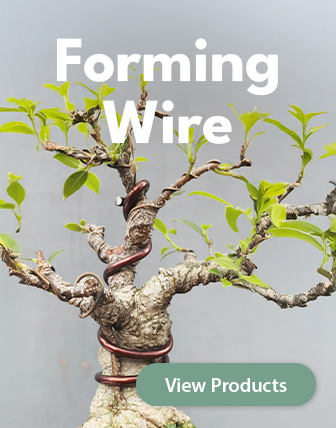
Prune new shoots regularly back to 2 pairs of leaves as soon as they become woody. Wire the branches with aluminum wire once they’ve become woody. Thanks to its excellent regenerative ability, the olive tree can easily withstand even a deeper cut into the old trunk.
The most common cause is root rot from standing in water or, conversely, a severe lack of light during the winter months. Check the watering, let the soil dry out, and give the tree as much sunlight as possible.
 All in stock - no illustration photos
 Delivery within 48 hours
 Over 30 years of experience!


 CZ
 SK
 DE
 PL
 HU
 ES
 AT
 FR
 NL
 IT


