

Are you fascinated by trees that change with each season? Outdoor firethorn bonsai (Pyracantha bonsai) and wild hawthorn bonsai are typical examples of the popular fruit-bearing bonsai category. In the spring, they’ll amaze you with a profusion of tiny white flowers; in the summer, with dense green foliage; and in the fall, they’ll transform into a breathtaking display of yellow, orange, or deep red berries. Our selection includes both the hardy common hawthorn (Crataegus monogyna) and popular pyracantha cultivars that retain their berries well into winter. Every hawthorn bonsai from our Libčany center is perfectly acclimatized and ready to bring joy to your garden or patio.

Growing hawthorn and firethorn bonsai has its own specific challenges, which are rewarded with an extraordinary aesthetic effect. Although both genera belong to the same family (Rosaceae) and share a love of abundant flowering, they differ in their growth habits and foliage—while Crataegus bonsai is a deciduous shrub with lobed leaves, the hawthorn is an evergreen shrub with glossy, entire leaves. However, both plants require a precise approach to nutrition and pruning in order to produce as much fruit as possible.
For your outdoor hawthorn or wild hawthorn bonsai to bloom profusely and subsequently produce dense clusters of berries, they need as much sunlight as possible. Place them in a location with full sun all day and good air circulation. A lack of light leads to elongated internodes, poor flowering, and the dropping of unripe fruit.
Watering must be generous, especially during the period from flowering to fruit ripening. The growing medium must never dry out completely to the point of becoming dusty, as a lack of water will cause the leaves to wilt immediately and the future crop to drop. Water as soon as the surface of the growing medium begins to lighten slightly. On hot summer days, hawthorns love evening misting of the crown (aspersion), which helps maintain the vitality of the foliage.
Proper root metabolism and optimal soil pH are essential for flower formation:
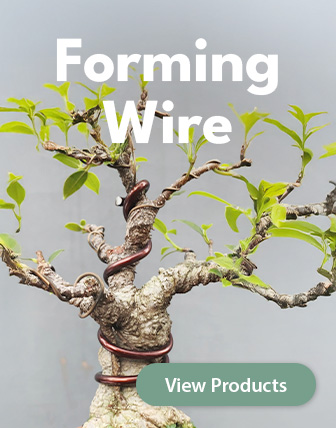
Pruning requires strategic planning. Major structural pruning of branches is done in early spring during the winter dormancy period. Always treat the cuts with a healing paste. During the growing season, we must be careful: both hawthorns and hawthorn trees form flower buds on last year’s wood and at the tips of short shoots (known as bradypodia). If you constantly prune the new shoots wildly with shears in the spring, you’ll cut off all the flower buds and the tree won’t bloom. The correct approach is to let the spring shoots grow freely and prune them back only in June after flowering, or in the fall after the fruit has ripened. Wiring
 All in stock - no illustration photos
 Delivery within 48 hours
 Over 30 years of experience!


 CZ
CZ SK
SK DE
DE PL
PL HU
HU ES
ES AT
AT FR
FR NL
NL IT
IT


