

Are you still looking for something truly exceptional and steeped in history to add to your collection? The ginkgo bonsai represents a fascinating combination of botanical uniqueness and spiritual symbolism. This legendary maidenhair tree, often referred to as a living fossil, shared our planet with the dinosaurs and has remained virtually unchanged as a species for millions of years. For growers, the ginkgo bonsai is an irresistible attraction, primarily thanks to its unmistakable fan-shaped leaves with forked venation and the fact that it displays the most beautiful autumn colors of any bonsai, when the entire crown turns a brilliantly pure, golden-yellow color. Our specialized ginkgo biloba sales guarantee you vigorous, healthy trees that are fully acclimated to our local conditions.

From a botanical standpoint, the ginkgo is truly unique—it belongs neither to the common deciduous trees nor to the conifers, but rather to a separate division (Ginkgophyta). This brings with it specific characteristics: the wood is very soft, the tree grows slowly, and it forms thick, fleshy branches with long new growth. However, the two-lobed ginkgo bonsai is an exceptionally hardy tree. It is virtually unaffected by local pests or diseases (it is highly resistant to both fungi and insects) and thrives in polluted urban air, making it a very rewarding addition to patios and outdoor Japanese gardens.
To ensure your Ginkgo has healthy, rich green leaves that create the famous golden effect in the fall, provide it with a sunny to partially shaded location. It’s best to protect young trees and newly transplanted specimens from the scorching midday sun during the hottest summer days (July and August); older, well-established trees love full sun and respond to it with more compact growth.
Growing Ginkgo biloba in a container requires balanced watering. Due to the fleshy structure of its tissues and leaves, the tree needs sufficient moisture throughout the growing season. Ginkgo is relatively tolerant of short-term drought, but the potting mix should never dry out completely, as this would cause the leaves to wilt and become damaged. Water generously as soon as the surface of the potting mix begins to lighten in color. On the other hand, ginkgo roots are sensitive to prolonged waterlogging and standing water in the pot, which can cause the root system to rot.
The correct soil structure is a critical factor for healthy growth in Jinan trees:
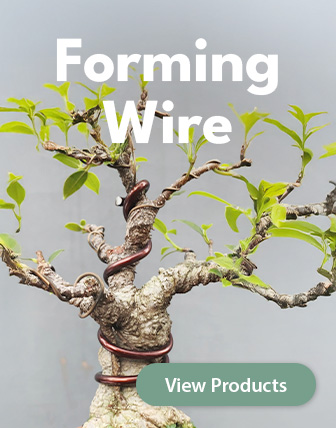
Shaping Ginkgo biloba has its own strict specifics. Its wood is very fleshy, and pruning wounds tend to dry out deep into the interior of the branch. For this reason, deadwood (jin or shari) is generally not created on Ginkgo biloba. We make any major cuts in early spring and immediately treat the cut thoroughly with a healing paste. Ginkgo grows in long shoots with large spaces between the leaves (internodes). We allow new spring shoots to grow to 5 to 6 leaves and then shorten them with pruning shears to 2 to 3 leaves. Although wiring with aluminum wire is possible, it must be done with the utmost care—the smooth bark is easily damaged, and the wire cuts into the bark very quickly due to the branches thickening in the spring. It is much safer to shape the tree using pruning cuts and tension wires.
Given the natural, columnar growth habit of the ginkgo in the wild, a specific style called “flame” (Chokkan modified into the shape of a candle flame) is very commonly used in bonsai, or alternatively, the free-standing style (Moyogi). The tree forms a dense, upward-pointing crown. Ginkgo trees are grown as either male or female trees. Male specimens are more popular as bonsai because female trees produce ginkgo drupes when mature; while these contain edible seeds, their ripening husks emit a relatively strong and unpleasant odor.
Ginkgo biloba is a 100% outdoor bonsai that absolutely requires winter dormancy for its long-term health. After shedding all its golden leaves within a few days in the fall, it enters a state of deep dormancy. The tree is fully frost-hardy; however, its fleshy roots in a shallow bonsai pot must not be exposed to extreme freezing temperatures. The safest way to overwinter it is to bury the bonsai, pot and all, in open soil in a shady spot in the garden that is protected from icy winds, and cover the root ball with a thick layer of leaves or mulch. If you do not have a garden, the tree will overwinter safely in an unheated greenhouse or a cool garage.
 All in stock - no illustration photos
 Delivery within 48 hours
 Over 30 years of experience!


 CZ
CZ SK
SK DE
DE PL
PL HU
HU ES
ES AT
AT FR
FR NL
NL IT
IT


