

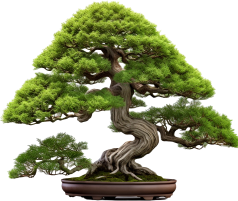
Are you looking for a tree that is a true symbol of Japanese tradition and resilience? An outdoor juniper bonsai represents the absolute pinnacle of bonsai aesthetics. Genera such as Juniperus are renowned for their incredible resilience, flexible wood, and ability to display dramatic elements of deadwood. Our selection includes the highly prized Chinese juniper (Juniperus chinensis) as well as its elite Japanese cultivars, Itoigawa and Kishu, which stand out for their ultra-fine, scaly needles and rich color. Every juniper bonsai from our Libčany center undergoes careful acclimatization and expert shaping so that you receive a healthy, vigorous tree ready for further shaping.

Among conifers, the Japanese juniper holds a truly unique position. It is the ideal material for dramatic transformations and is forgiving of occasional mistakes made by the grower. If your goal is to gain a deeper understanding of bonsai, Juniperus bonsai will open the door to advanced wire-bending techniques and the creation of elements that evoke the tree’s centuries-long struggle against the elements in harsh mountain conditions.
Sunlight is the most important factor for successfully growing juniper in a pot. The juniper bonsai is a strictly sun-loving tree that requires full-day direct sunlight and an open, airy location. A lack of sunlight causes stunted growth, the branches to dry out from the inside, and the delicate, scaly needles to transform into prickly, needle-like shoots. Summer sun doesn’t harm junipers; on the contrary, it stimulates their vitality.
We adjust watering according to the tried-and-true “dry-wet” rule. We water the soil thoroughly, but only once its surface has dried out slightly. Constant waterlogging and standing water in the pot lead to root suffocation and rot. On hot summer days, however, junipers greatly appreciate evening misting of the entire crown (known as “aspersi”), which washes away dust, cools the plant, and simulates mountain mist.
Given the roots’ high oxygen requirements, we choose exclusively mineral-based and highly permeable mixtures:
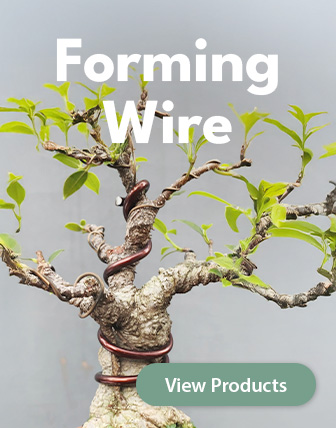
Juniper shaping is a fascinating process based on creating artificial deadwood. The Jin technique refers to a stripped and bleached branch tip that looks as if it were broken off by lightning or a storm. The Shari technique features a strip of exposed dead wood running along the trunk, with living bark (sap flow) running alongside it. The dead wood is mechanically cleaned and regularly treated with sulka (calcium polysulfide), which preserves the wood from rot and gives it a contrasting white color. We shape the crown using copper or aluminum wire, which can remain on the flexible juniper branches—with regular checks—for more than a year, until the tissues are fully lignified (hardened).
Both of these cultivars belong to the Chinese juniper (Juniperus chinensis) and are the most sought-after worldwide. The Itoigawa cultivar is considered an absolute gem for its extremely fine, soft, bright emerald-green, scaly needles and compact, cushion-like growth habit. The Kishu cultivar grows somewhat more vigorously; its needles have a richer, dark green hue and form very dense and sturdy structures. Both varieties tolerate radical pruning very well.
Junipers are fully frost-hardy outdoor trees that absolutely require a period of winter dormancy. The greatest risks in winter are freezing winds and frozen soil, when the evergreen crown evaporates water in the sun, but the frozen roots are unable to replenish it. Therefore, place the bonsai in a shady spot protected from the wind for the winter. Bury the pot in the ground or insulate it thoroughly with polystyrene and cover it with mulch. On frost-free days, water the soil lightly to prevent the tree from drying out.
 All in stock - no illustration photos
 Delivery within 48 hours
 Over 30 years of experience!

 CZ
CZ SK
SK DE
DE PL
PL HU
HU ES
ES AT
AT FR
FR NL
NL IT
IT


