


SPICES longevity Caragona spinosa, Zantoxylum piperitum Chinese pepper, Sichuan pepper, Japanese pepper Zanthoxylum piperitum, zanthoxylum peppery, anise pepper It is one of the oldest Chinese spices, highly esteemed and venerated used as bohům.Jedná victim is a plant with a broad spectrum of effects mainly on the liver, lungs, spleen, pancreas and CNS. It has tonic, antimicrobial and antiviral effects against parasites in the gut. This "pepper" is not at all related to the known black pepper. They are reddish fruits, dried capsules higher shrubs like acacia growing in Southeast Asia. Fruits contain essential oils burning taste are aromatic. Sichuan pepper is very sharp, numbing to taste aromatic spices. To increase the aroma capsules are recommended whole or broken slightly roasted. To rooting only we use small doses. Sichuan pepper is used whole or crushed in preparation Japanese or Chinese food, especially poultry (duck, chicken, etc.). In China, a ground sečuánským roasted pepper spice green tea. Before use, it is recommended to eliminate all loose black seeds, which are very bitter. Fruit (capsule) is harvested before reaching its maturity. The seeds in the capsule to cause unwanted bitterness and therefore removed after harvest. Sichuan pepper is a classic spices of Asian cuisine, its flavor is peppermint, lemon lightly. Aroma is fully developed after searing in a pan without fat. Usually in the food he added shortly before administration, since the boiling loses its typical taste. Sichuan pepper is rich in essential oils regulating salivation and digestion. Roasted causes light attenuation in larger quantities desensitize gustatory nerves and may cause undesirable irritation to the stomach. Like "ginseng" slows aging. Description: An evergreen shrub with light brown bark on the trunk, branches are younger black brown. It has glossy, dark green pinnate leaves with ten lanceolate leaves and usually richly branched. Of inconspicuous green flowers with black produces fruits the size of 2-3 mm, which is fine for a tangy taste used as a spice in Japanese and southern Chinese cuisine (ie. Red pepper). Attention, small shiny aromatic leaves attracted mainly aphids. Timely sprayed against pests such. Mospilan. For some of shed Plant attention to overflowing, rotting roots and then dries some branches. LOCATION: well tolerates light and shade. Winter temperatures of 15 - 30C. When outdoor summer in full sun creates a shiny new leaves. Watering: hearty salad dressing to leave a little to dry. FERTILISING: After 2-3 weeks, year round. Transplanting: After two years in drier soil. Large amounts of dense fine roots must be radically zakrátit, tolerates it wonderfully well. LAND: Substrate for bonsai AGRO CS, or clay (akadama), peat, sand in the ratio 1: 1: 1, it is necessary good drainage. CUTTING: often quickly envelop the old wood SHAPING anytime, but watch out for little thorns.

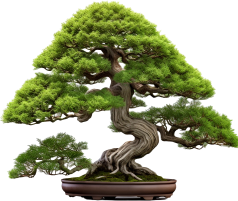
Growing Japanese pepper is relatively straightforward, as long as you provide it with plenty of light and avoid overwatering the roots. Below you’ll find a clear guide on how to properly set up the location, watering, and nutrition for your tree’s healthy growth:
Location: Place it in the brightest spot possible (an east- or west-facing windowsill). In the summer, it benefits from being placed in a bright to sunny spot outdoors, but acclimate it gradually to the outdoors. In the winter, it thrives at normal room temperature (16–23 °C); the temperature should not drop below 10 °C for extended periods.
Watering: Water thoroughly as soon as the surface of the potting mix in the pot dries out slightly. Keep the potting mix slightly moist, but never waterlogged—standing water in the saucer can lead to root rot. In winter, adjust watering to account for lower light levels. For precise watering, we recommend special [bonsai watering cans].
Substrate and Fertilization: Use an airy, highly permeable bonsai mix with good drainage, such as our pre-mixed Bonsai Master substrate or a drainage mix with Akadama. From spring through fall, fertilize approximately every 2 to 3 weeks with [bonsai fertilizer]; in winter, reduce or suspend fertilization.
Repotting: Repot in the spring, usually every 2 years depending on the condition of the root ball. Carefully trim any overgrown or damaged roots and plant in fresh, well-draining substrate.
Shaping: Pinch back new shoots as needed throughout the growing season. When wiring with aluminum wire, be careful of small thorns that may be present on the twigs.
Pests: Weakened plants, especially those kept in dry indoor air near radiators, may be more susceptible to aphids. At the first sign of infestation, clean the leaves or use a mild spray.
Choose your Japanese pepper bonsai from our selection and treat yourself to a vibrant, aromatic little tree with a unique character!
The tiny leaves contain natural essential oils. When handled gently or pruned, they fill the surrounding area with a pleasant citrus scent.
It grows exceptionally well in a bright indoor setting at normal room temperature. During the winter, it requires plenty of light and protection from cold drafts.
It readily sprouts new growth from old wood, so by pruning it regularly, you can easily shape it into a dense and compact crown.
Yes, the leaves and fruits of Zanthoxylum piperitum are used in Japanese cuisine as the traditional spice sansho. However, bonsai sold in stores are grown for decorative purposes (not as a food crop), and young indoor trees rarely produce fruit.
Partial leaf drop in the fall and winter can be natural, as this is a deciduous to semi-deciduous species. More significant leaf drop, however, is usually caused by overwatering the roots, cold drafts, or a lack of light. Check the moisture level of the potting mix and provide the tree with a stable, bright location.
A healthy tree has fresh green, glossy leaves, readily produces new shoots, and, when gently touched, gives off a strong citrus scent.
 All in stock - no illustration photos
 Delivery within 48 hours
 Over 30 years of experience!

 CZ
 SK
 DE
 PL
 HU
 ES
 AT
 FR
 NL
 IT


